The Video of Kuching Workshop
Please scroll down for Chinese version.
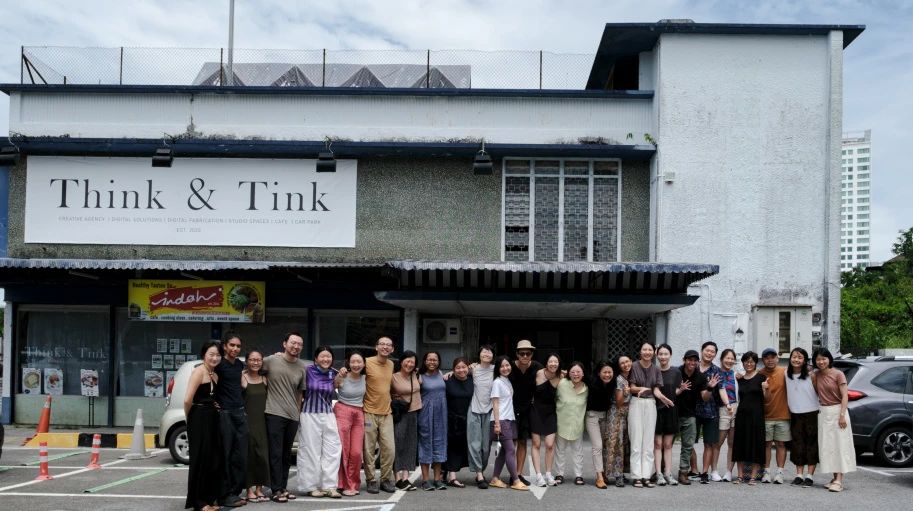
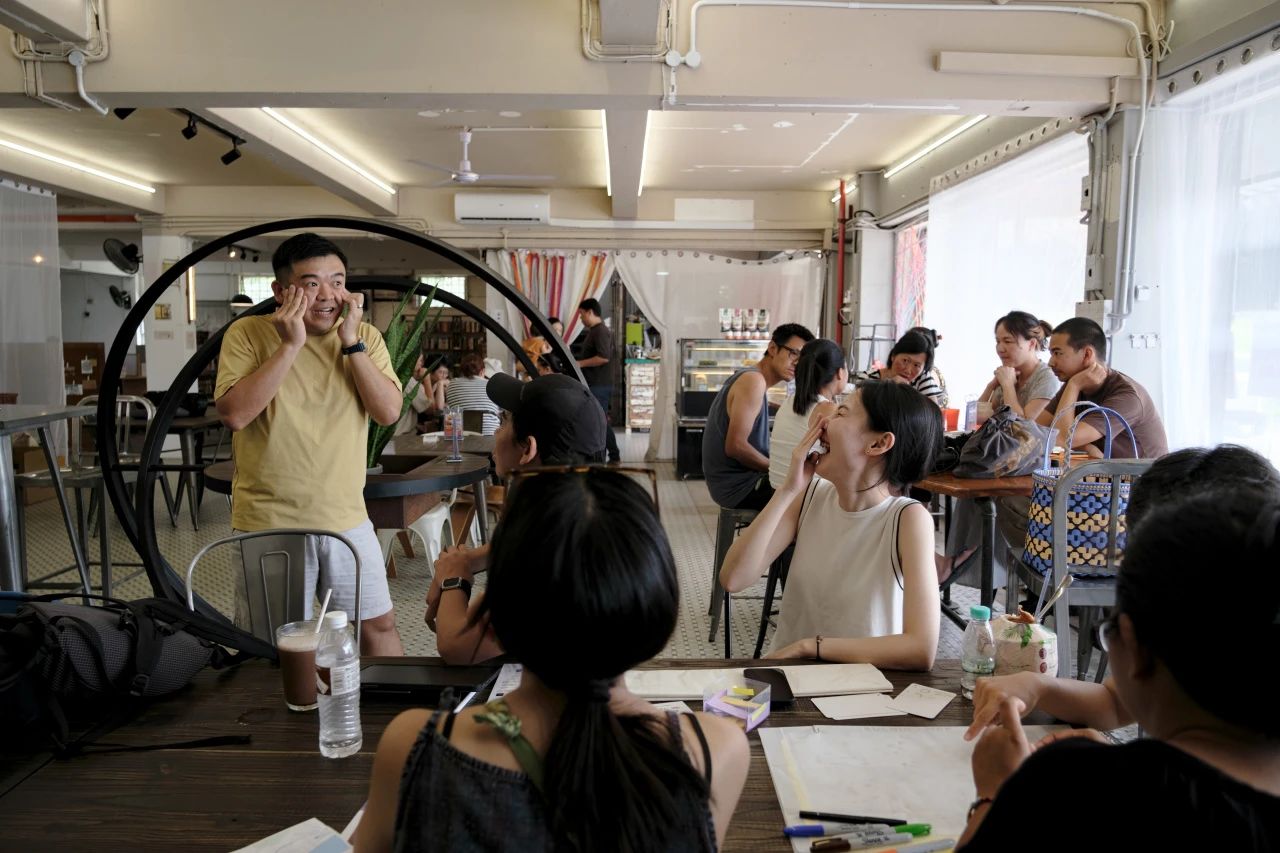
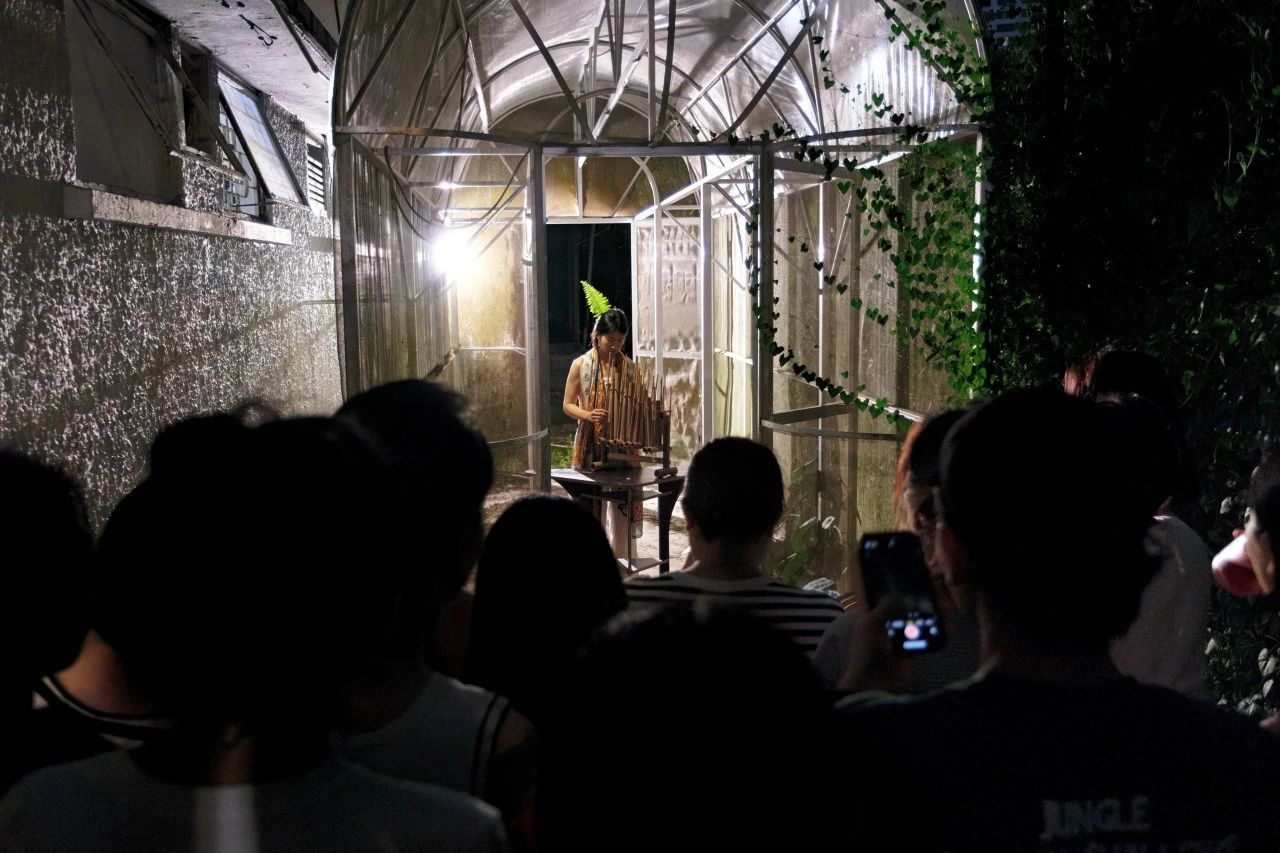
From October 17th to 21st, 2024, WildBound, in partnership with Architecture 2030 and local collaborator Borneo Lab, hosted the Future+ Kuching Workshop in the heart of Borneo. Building on the foundations laid in the first gathering in Sichuan’s Tieniu Village and Luding, this workshop continued the regenerative exploration by sparking deep, transformative discussions within Kuching’s vibrant community and rich cultural landscape.
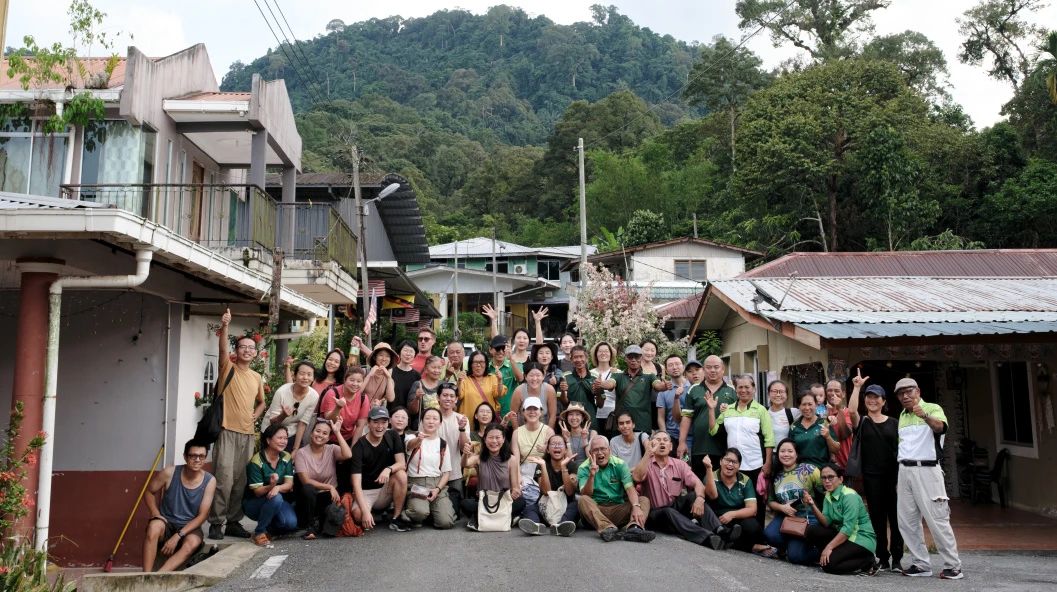
On this fertile land, creative ideas took root and grew, nurtured by Borneo’s cultural heritage and collective wisdom. 22 participants from China (Mainland, Hong Kong, Taiwan), Indonesia, Singapore, Malaysia, Germany, and other regions, bringing their own perspectives and imaginations, transcending the boundaries of architecture, agriculture, education, and art, engaged in co-creation under the guidance of regenerative design principles and the spirit of Gotong-Royong.※Gotong-royong refers to the spirit of communal cooperation and working together for the greater good. In Malay, ‘gotong’ means carrying and ‘royong’ means together.
Seven Principles of Regenerative Design: Shifting to a Living System mindset
1. Work with Wholes
-
Focus on the integrity of living systems rather than breaking them into fragments.
-
Respect the wholeness of systems to transform how we engage with them.
-
While a building itself cannot regenerate, it can create opportunities for the regeneration of the broader living systems it interacts with (e.g., soil, habitat, people).
2. Recognise Nested Systems
-
Understand that all living systems are composed of smaller systems and are part of larger ones.
-
Living entities rely on reciprocal relationships within their nested contexts to thrive, as seen in interconnected ecosystems.
-
Human actions, when thoughtfully designed, can create benefits that ripple across multiple levels, from individuals to larger systems.
3. Begin with Essence
-
Respect the unique and essential qualities of every person, place, or community.
-
Avoid generic solutions by understanding and honoring the individuality of living entities and systems.
-
Focusing on essence helps simplify complex systems, enabling better decisions and actions.
4. Start from Potential, Not Just Problems
-
Prioritize what a system could become rather than merely addressing its current issues.
-
Draw inspiration from inherent potential anchored in the uniqueness of systems, fostering hope and innovation.
-
Good solutions align with larger patterns, solving multiple problems without creating new ones.
5. Develop a Field of Reciprocity
-
Build mutual benefit in relationships instead of transactional, extractive exchanges.
-
Learn from nature’s symbiotic systems, where mutual support fosters vitality and longevity.
-
A shared purpose among a few individuals can catalyze significant shifts in community dynamics.
6. Discover Nodal Interventions
-
Identify key leverage points within systems where small actions yield transformative effects.
-
For example, Curitiba’s “urban acupuncture” used simple interventions to address waste management, transportation, and food access, benefiting the whole system.
-
Targeting nodes can create widespread positive ripple effects.
7. Engage in Developmental Processes
-
Regenerative development enhances the capacities of all members of a system, both human and non-human.
-
Projects should nurture inherent potential, enabling communities to adapt to changing conditions.
-
Long-term capability building creates distributed wealth and allows systems to achieve their best outcomes.
※These principles are drawn from the work of Bill Reed and Ben Haggard of Regenesis Group, as outlined in their chapter ‘Engaging with Life: The Developmental Practice of Regenerative Development and Design’ (2019).
In this space where humans, nature, the past, and the future converge, we experience a connection beyond words through stories, music, dance, food, art, and craftsmanship. The bond between all living things becomes clearer, and every contribution is valued, creating a joyful collective celebration.
#1
Weaving Wisdom in Borneo’s Soil
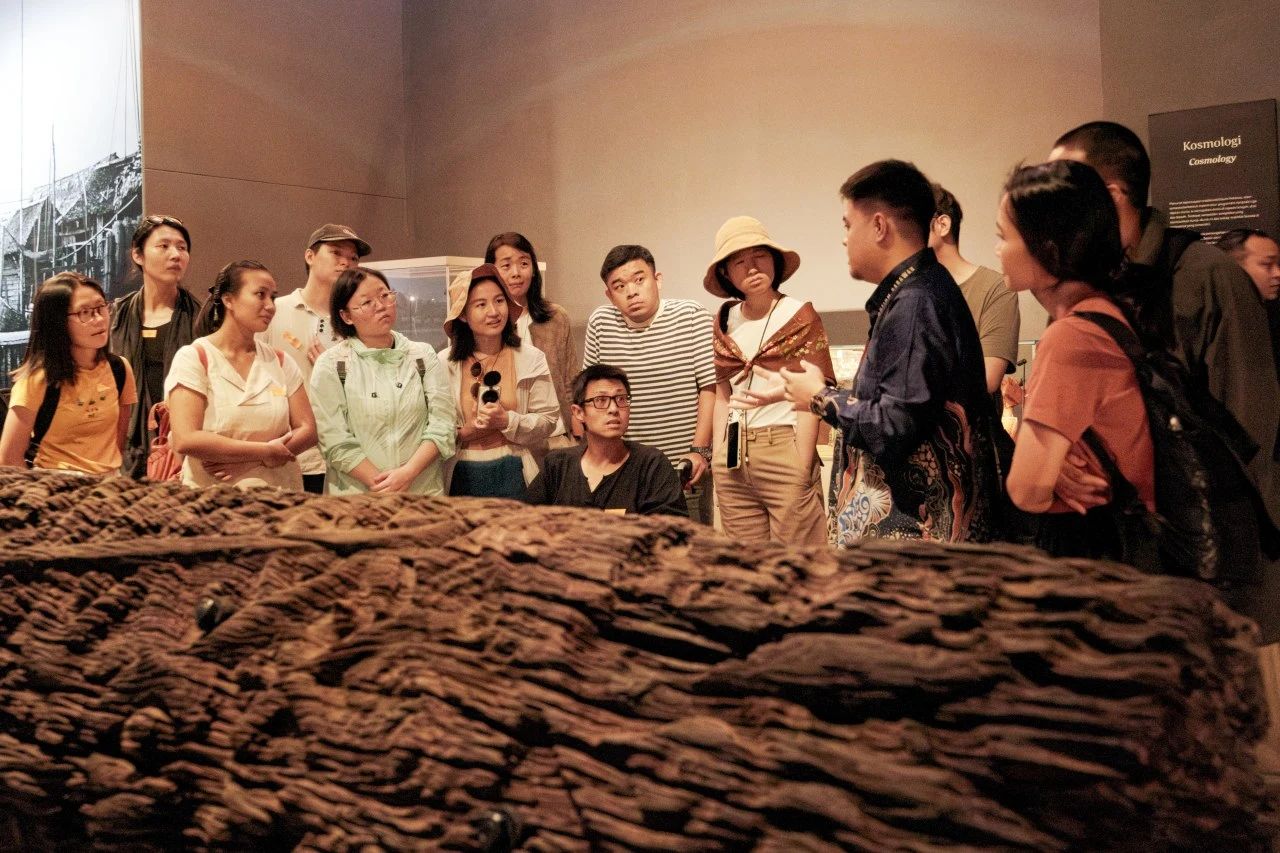
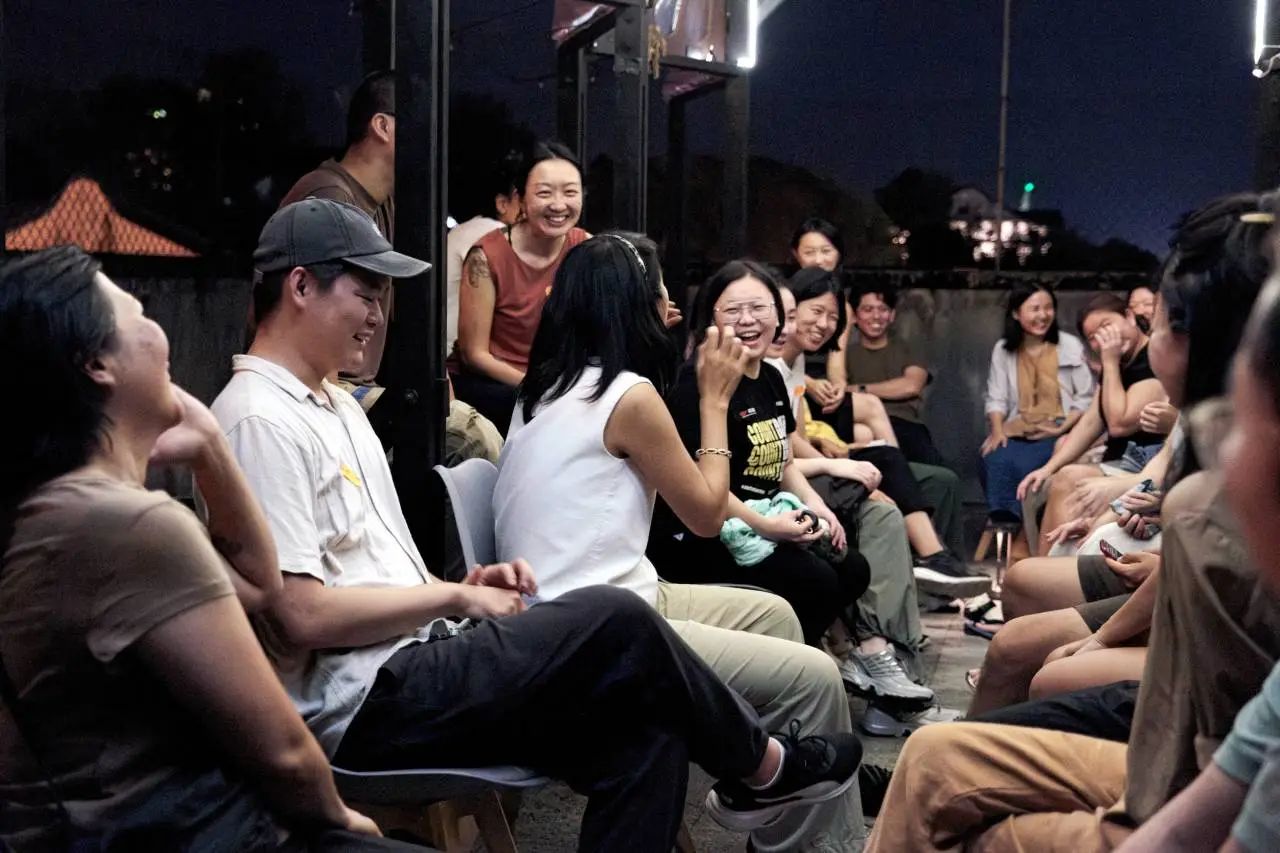
The journey began with ice-breaking exercises such as the Songline and the Art of Invitation, fostering trust and collaboration. A guided tour of the Borneo Cultures Museum showed how regenerative design extended beyond sustainability in material terms to touch on cultural values on cultural preservation and inheritance. Through The Human Library, an activity that allowed us to deeply listen to each other’s stories, a sense of community and the spirit of Gotong-Royong subtly began to take root.
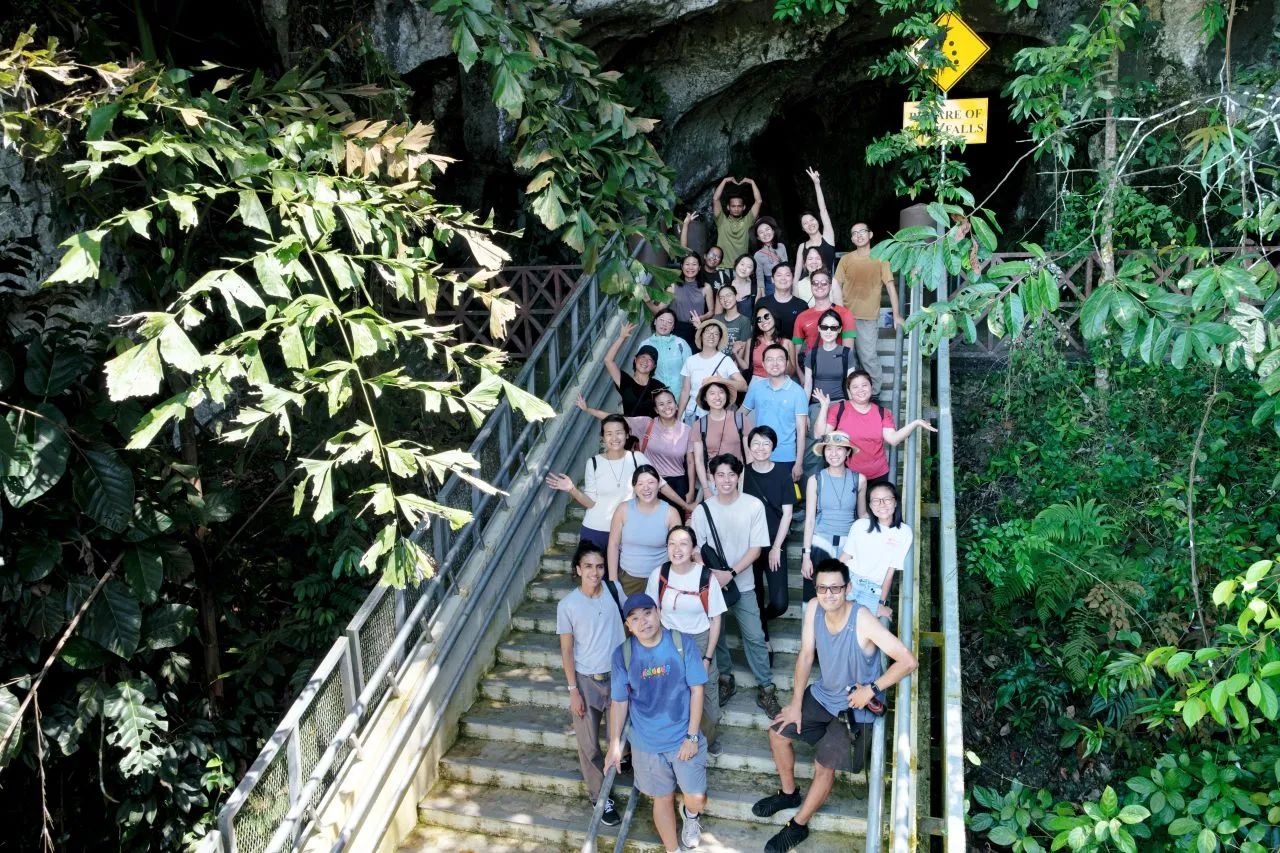
As we quietly stepped into the silence of Fairy Cave, connecting deeply with nature, we realized that regenerative design was not just about shaping spaces but also listening to nature and allowing for its essence to emerge.
In the Bidayuh community, we immersed in the Gotong-Royong tradition, learning that the vitality of the community is rooted in collective strength and mutual support. This experience deepened our understanding of the significance of “coexistence”.
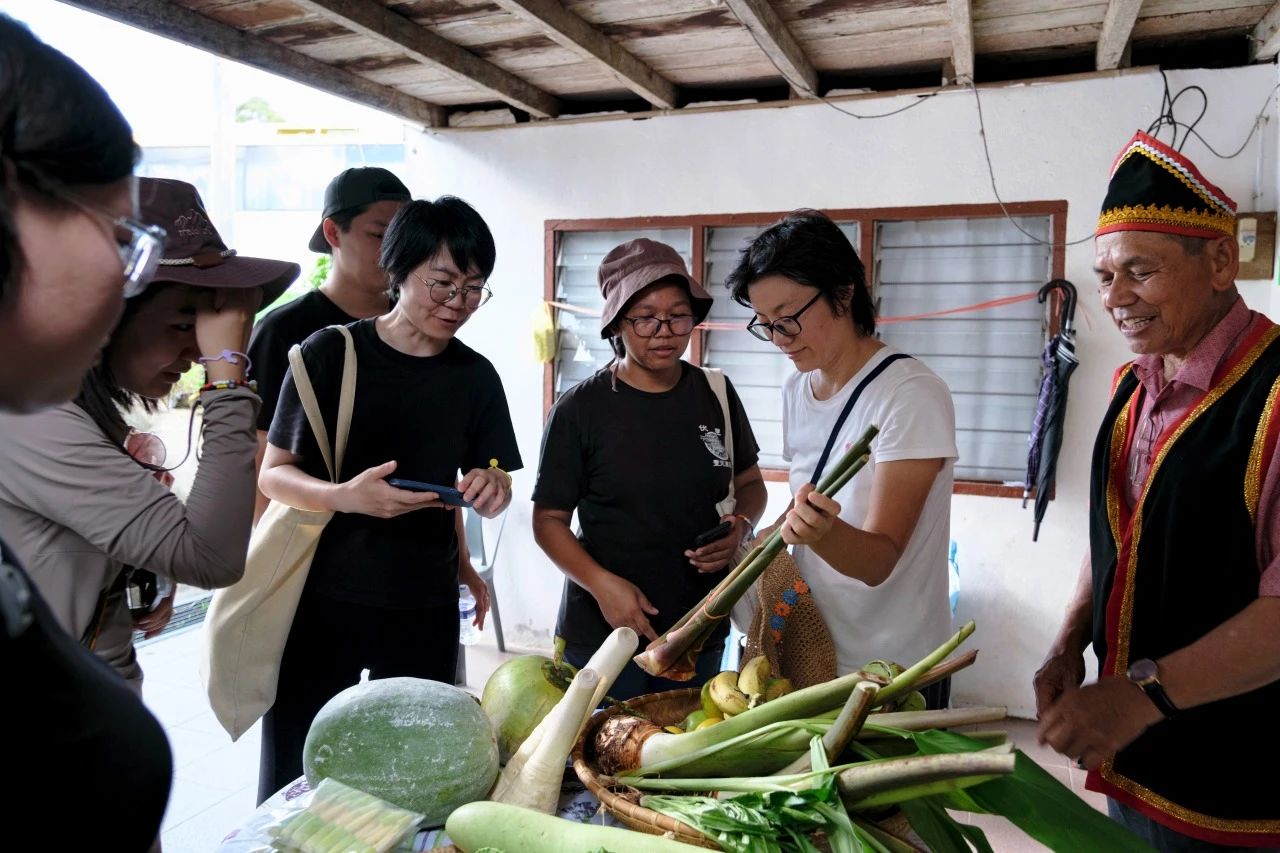
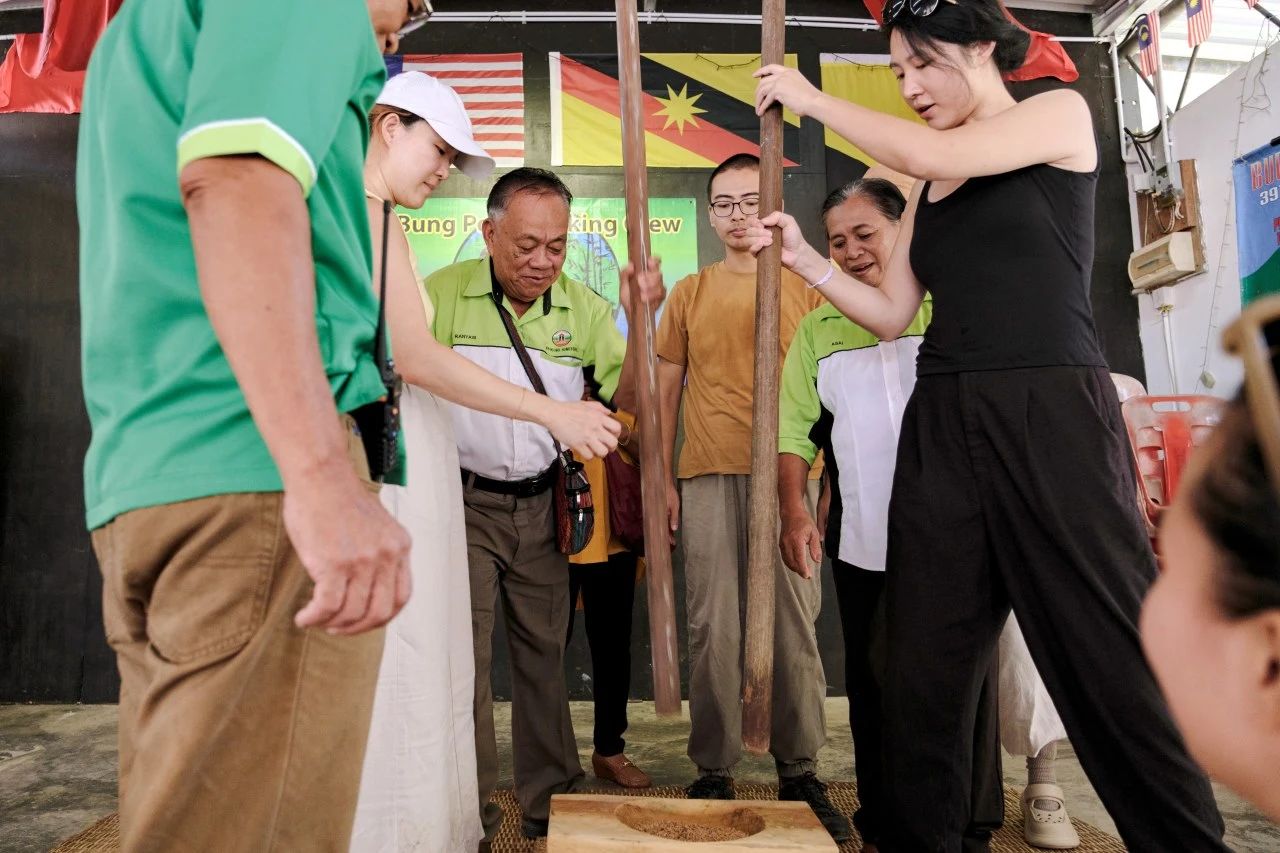
We sought for our personal connection —water, food, soil— and rekindled our bond with the earth, reflecting on what we took from it and what we could give back. We came to understand that regenerative design was a reciprocal process: it enabled us to draw inspirations from nature while we infused it with our energy. What is our role on this land? How can our actions contribute to its evolution?
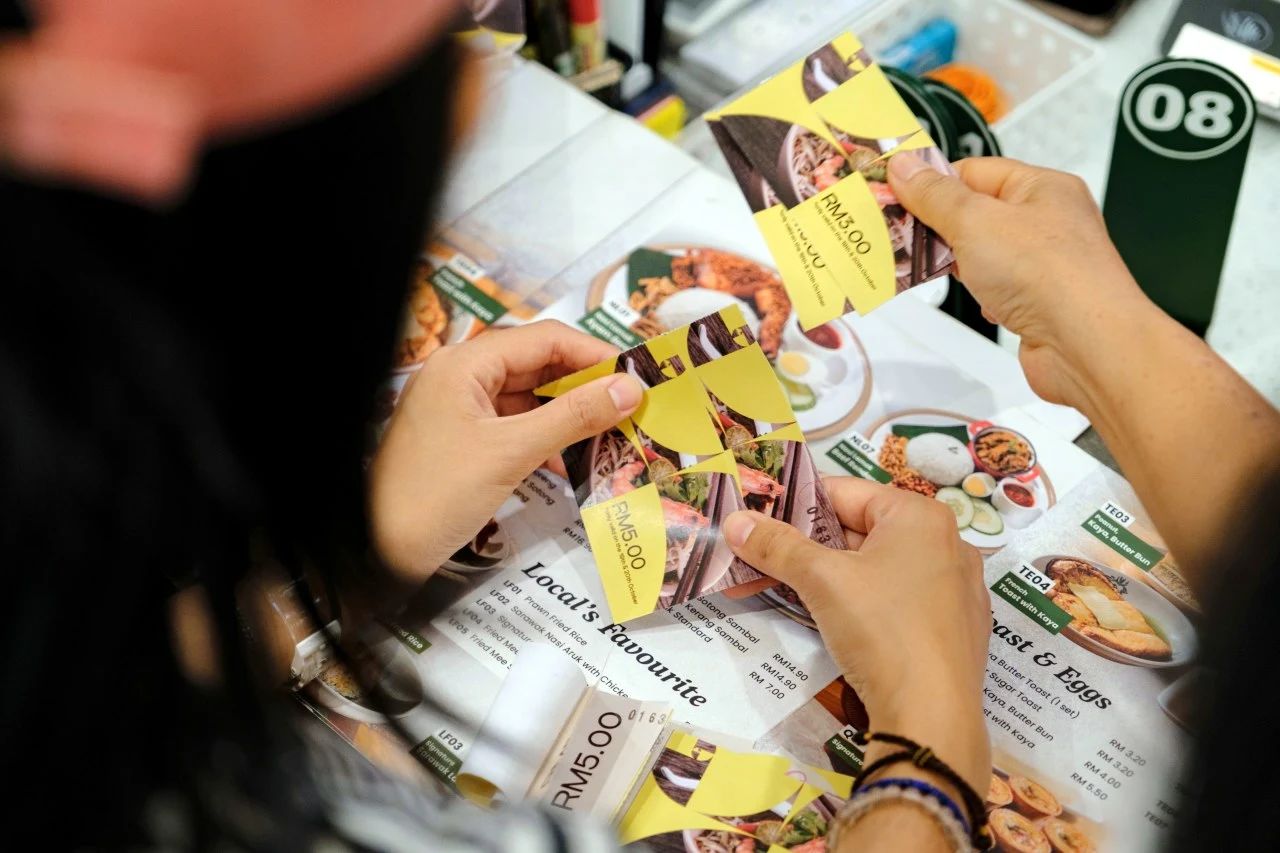
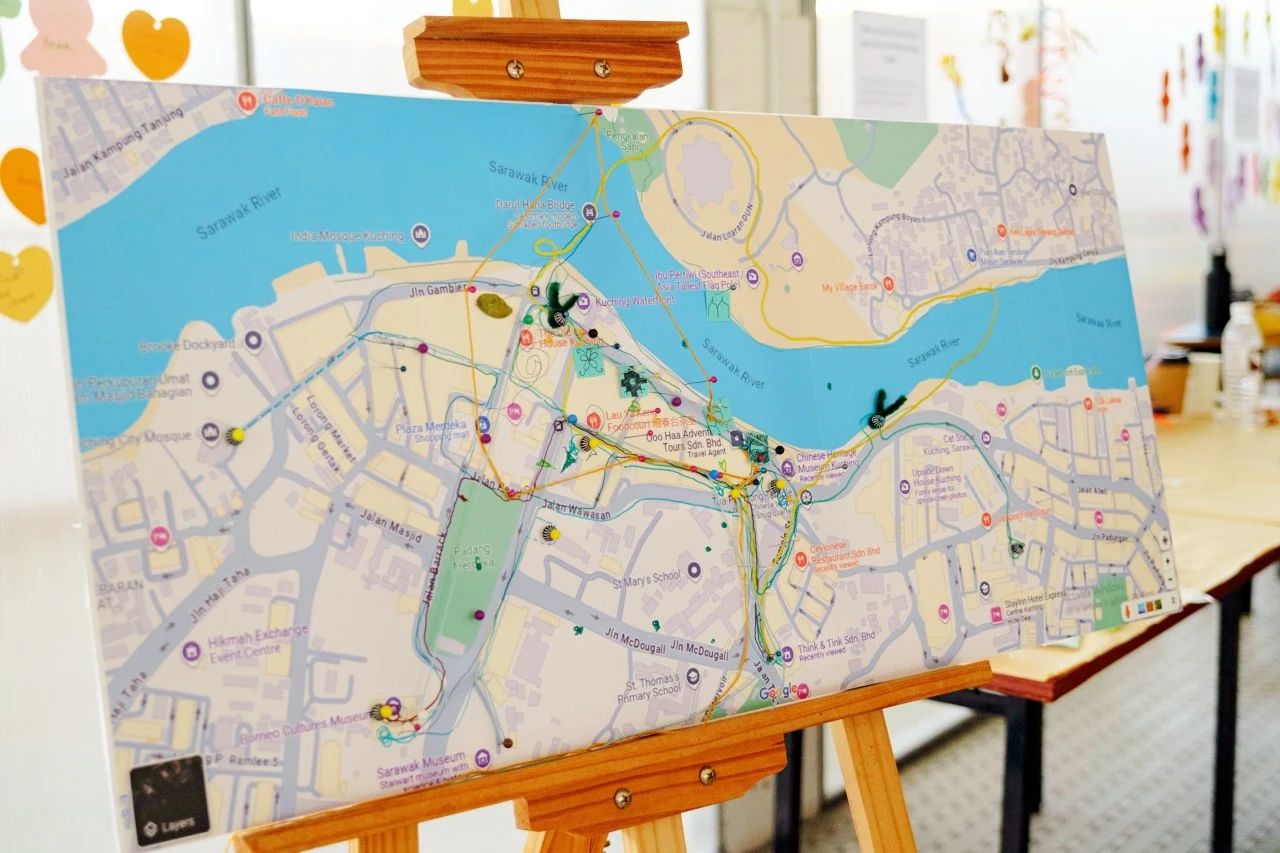
We saw that regenerative design and Gotong Royong are not separate but intertwined, complementary concepts. United by a common belief in regenerative design, we gathered on Borneo’s land to explore how to practice non-exploitative, mutually beneficial design. Our exploration of coexistence with nature, community, and culture was a journey empowered by the spirit of Gotong-Royong, which fueled collective collaboration and mutual support.
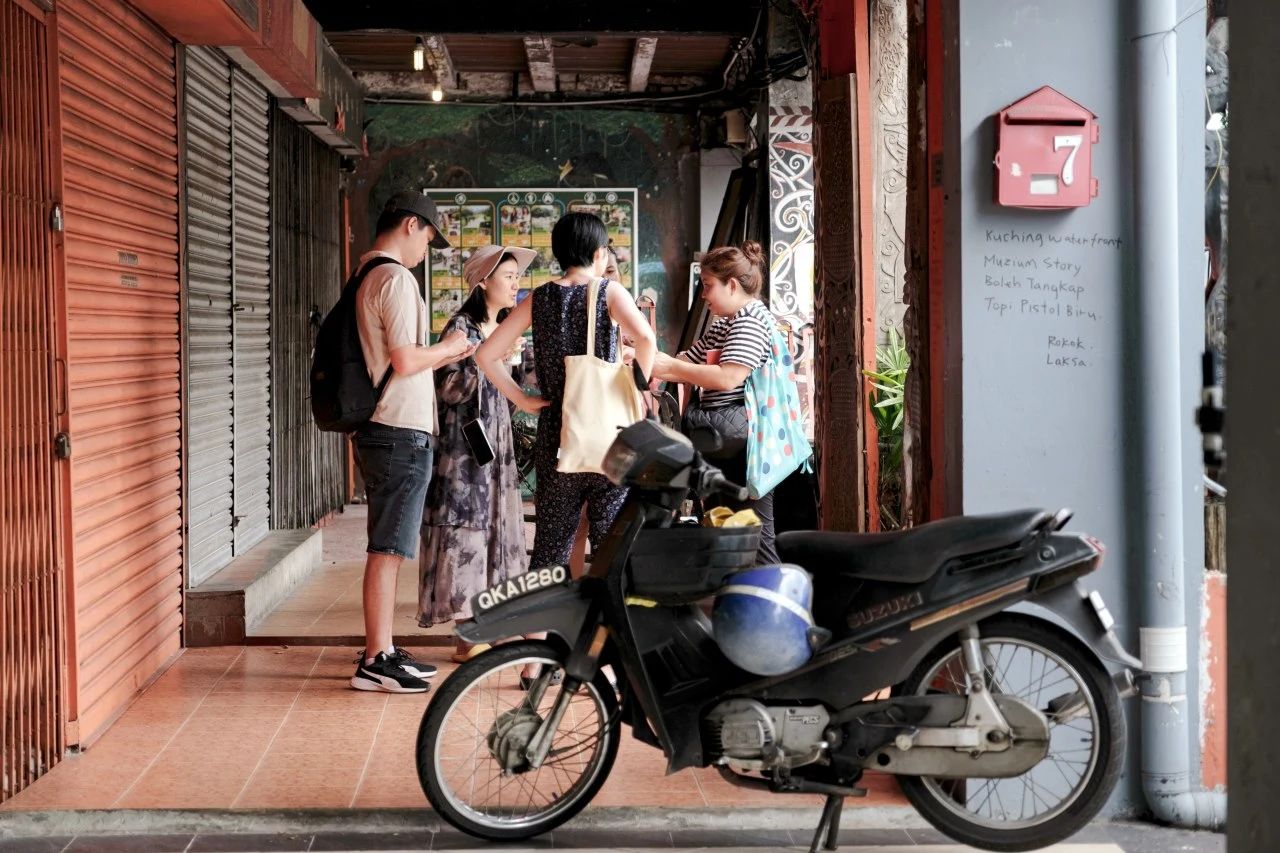
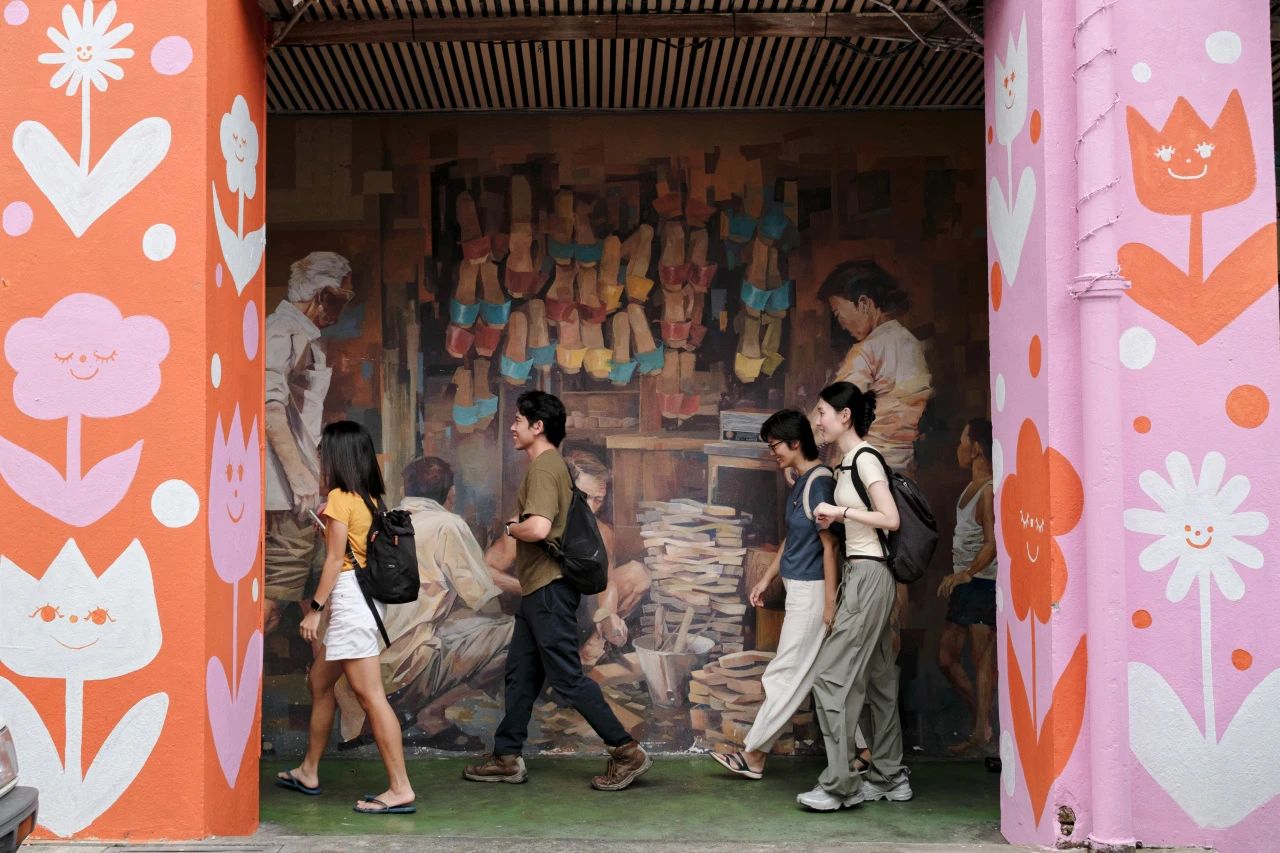
Co-Creation & Collective Power: Giving Back to the Land
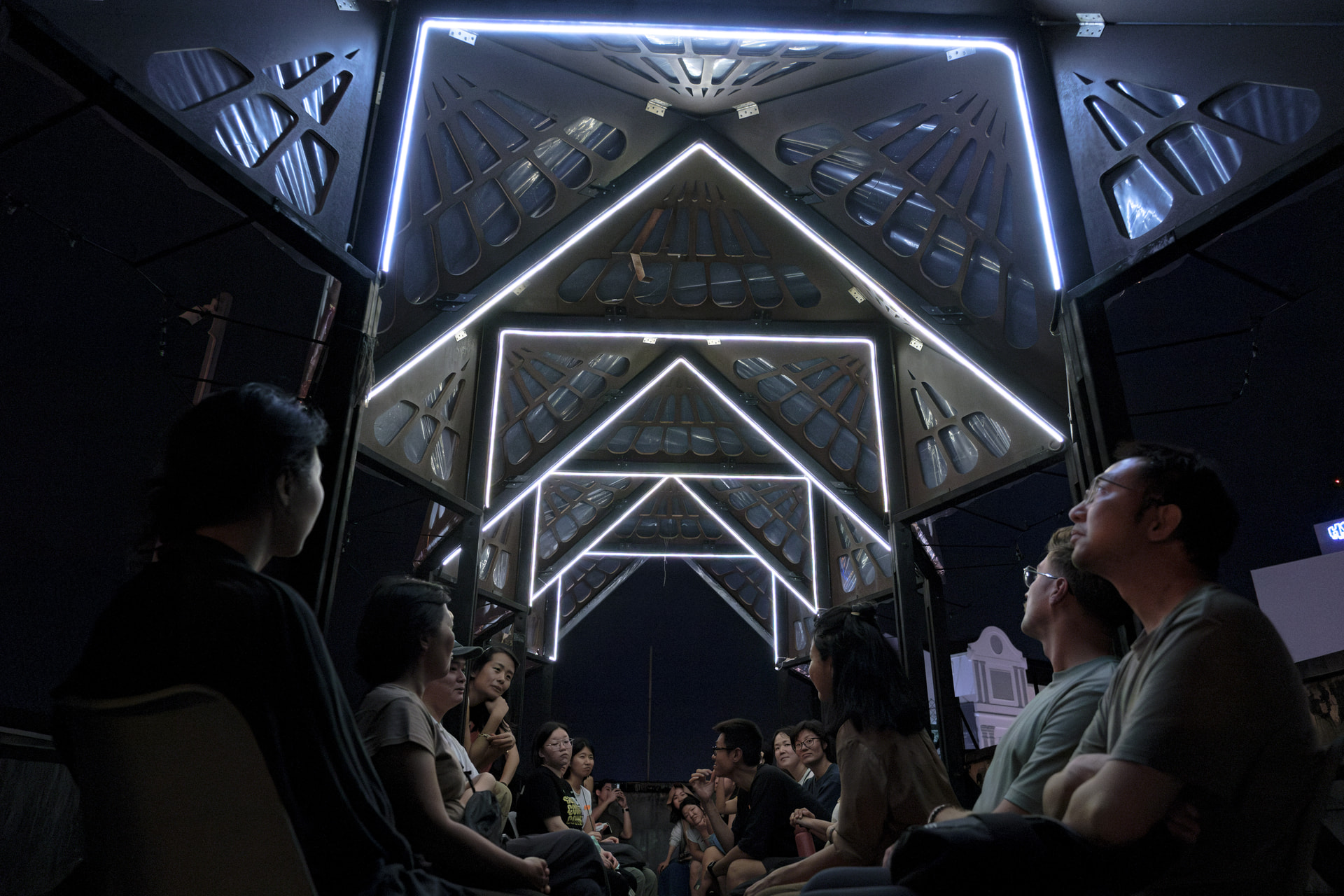
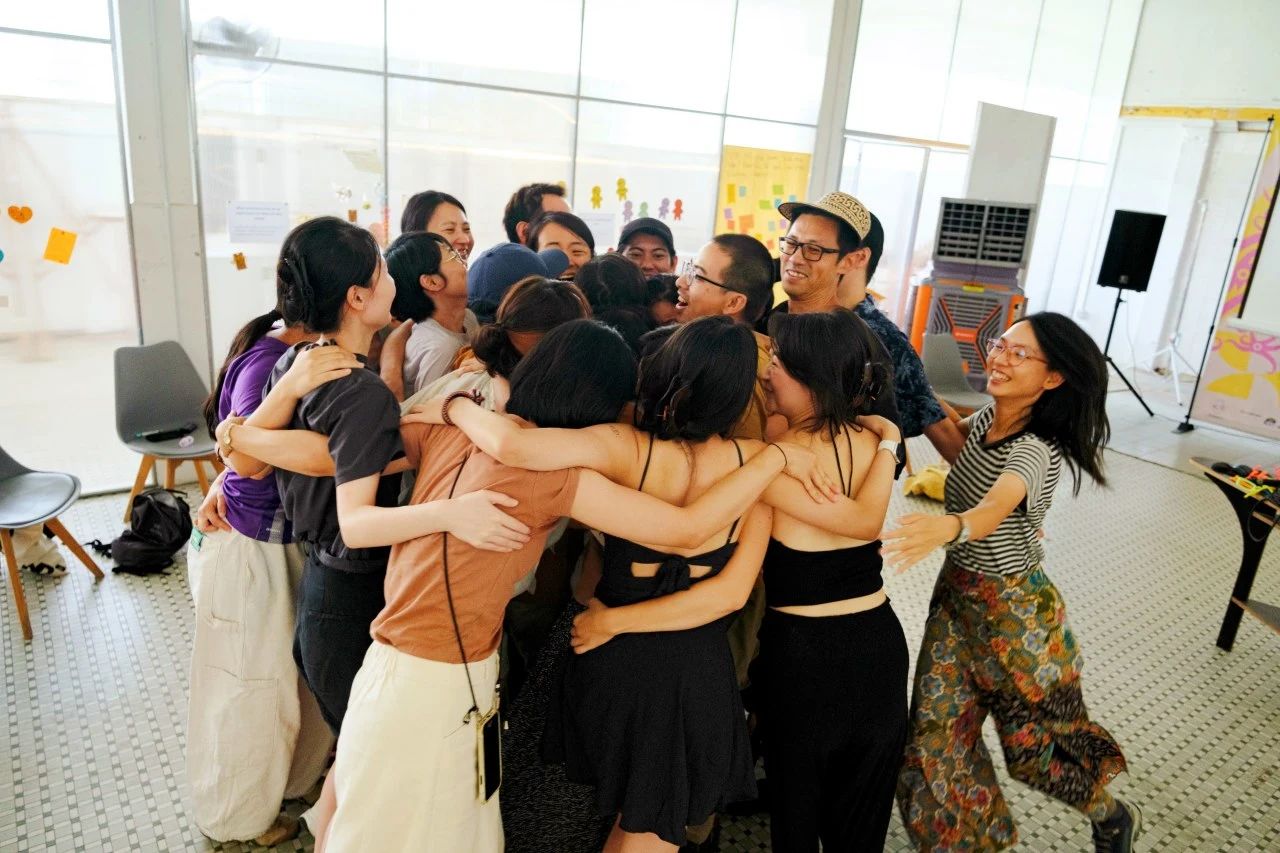
In the spirit of Gotong-Royong, cooperation flowed like the heartbeat of life, connecting each person into a harmonious whole. Whether it was cooking together or brainstorming project designs, collaboration was not just about getting things done — it was about supporting and connecting with one another. During the design process for the Ripple project, ideas collided and sparked, with every voice valued and amplified. Could we tap into that power in this collaborative field?

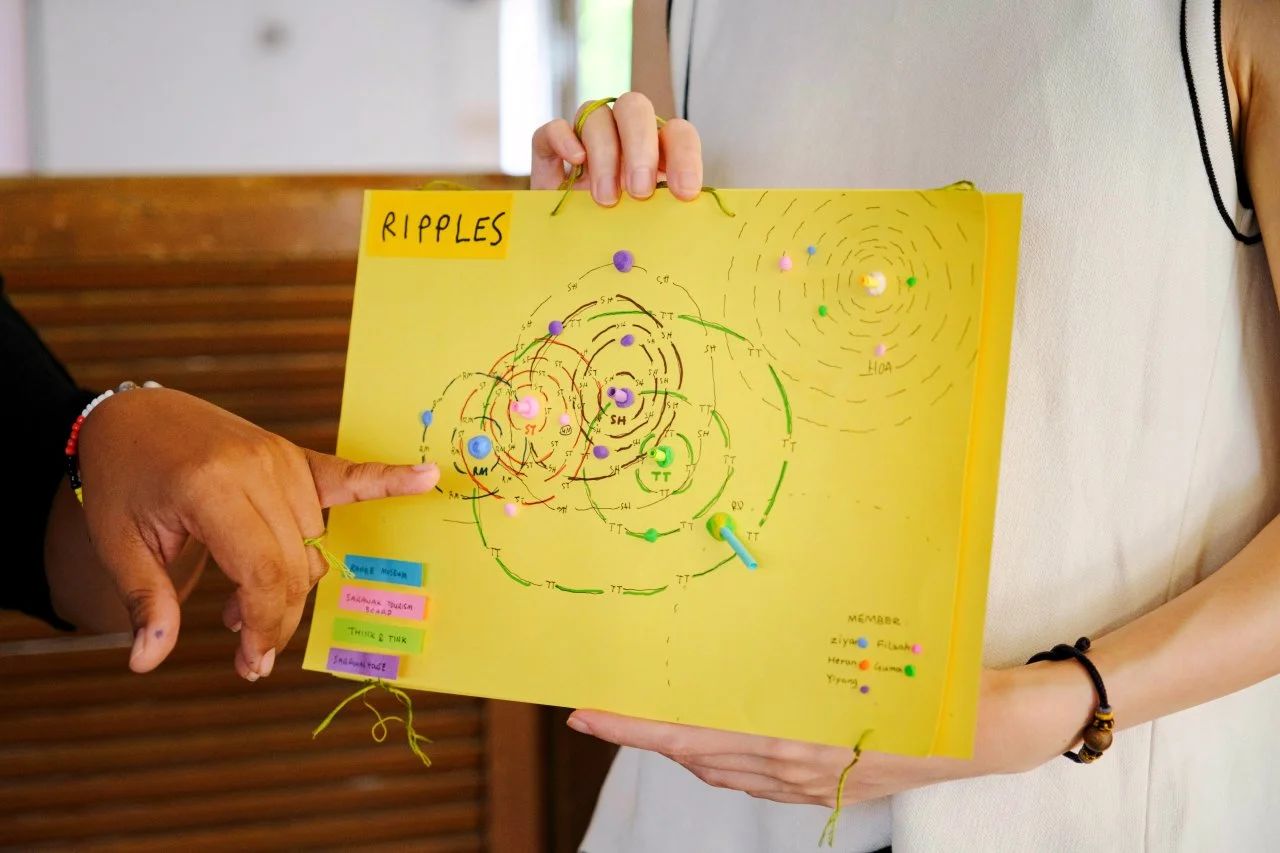
In this space, we were no longer isolated individuals; we were nourished by each other. Every small contribution was part of the system’s breath and growth. Regenerative design drives this connection, reshaping relationships between people, nature, and society through systemic transformations. Nodal interventions offer opportunities to plant seeds of transformation, using minimal resources to create maximum impact on the whole system.
Honoring Local Uniqueness: Rooting Design in Place
The uniqueness of a place is the fruit of long-term human and natural coexistence. When we immerse ourselves in its culture and listen attentively to the land, we feel the heartbeat of the land. Regenerative design is about honoring and engaging with the culture and ecology of a place. It requires us to start a dialogue beyond time — finding balance between modern aesthetics and traditional architecture, between nature and design. In the stories shared by elders in the Bidayuh village, we heard quiet wisdom, rooted in the land and shaped by time, reflecting a deep harmony with nature.
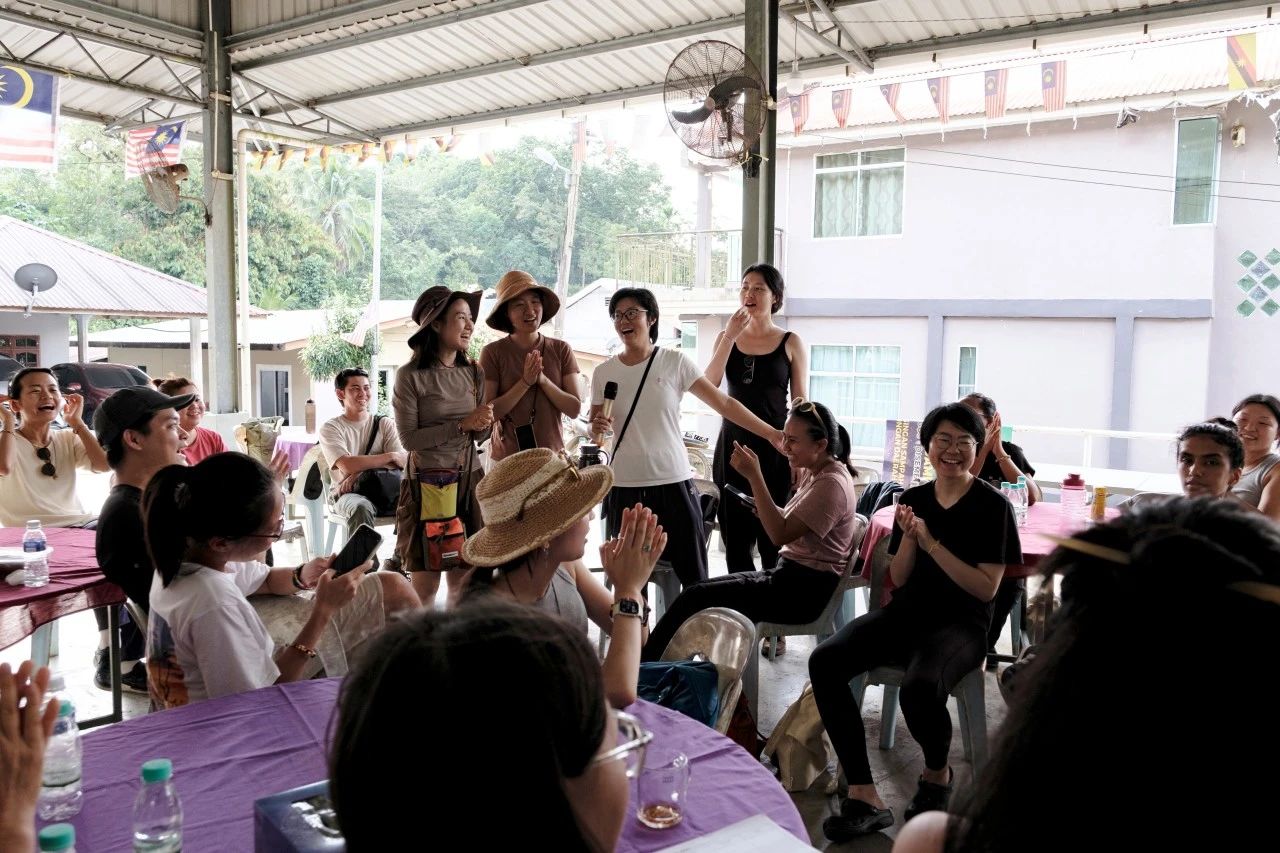
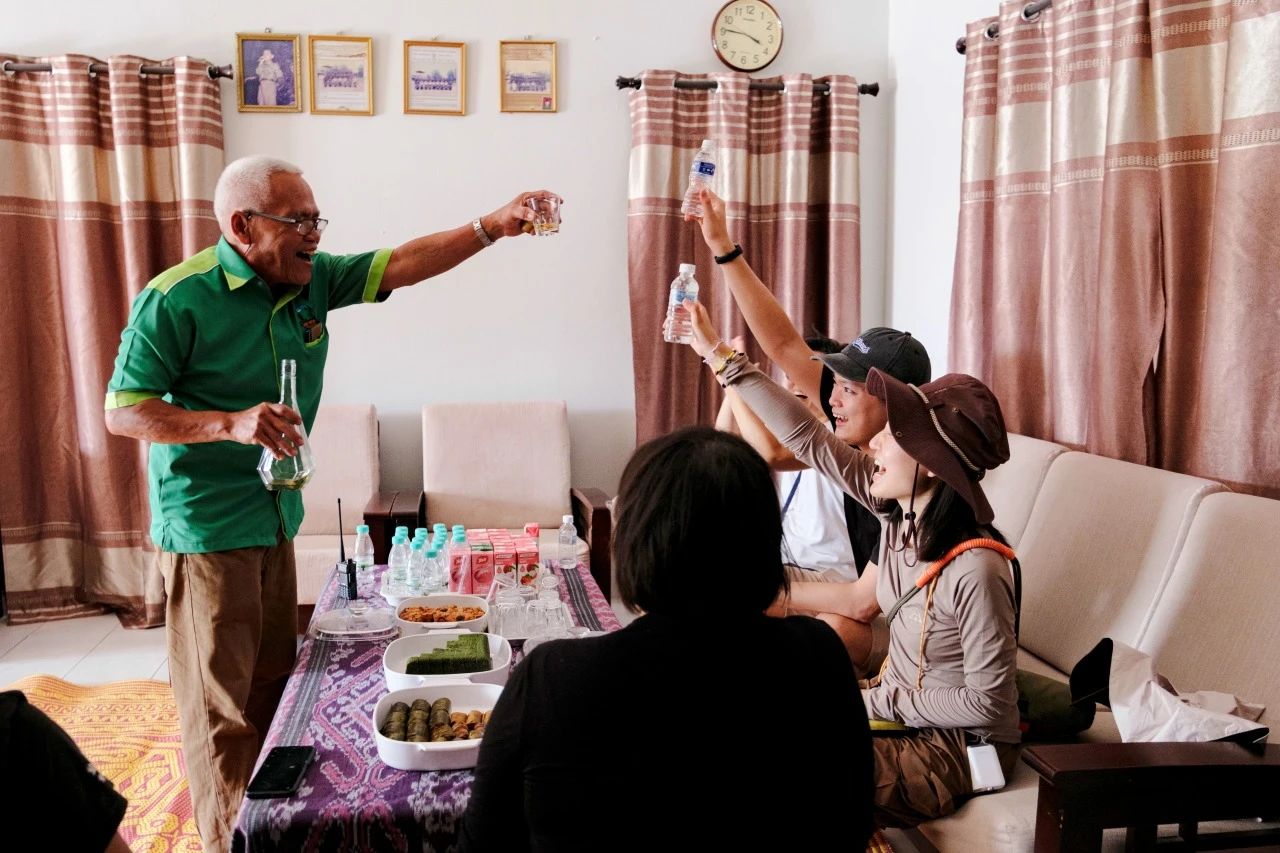
The principle of “starting with the uniqueness of place” calls for the respect and embrace of local cultural and ecological identities. Through the lens of contextual relevance, we learnt to listen and address the needs of the land and its people. It revealed that only by honoring and protecting these qualities could design emerge, nurturing ongoing vitality and connection.
Ecology & Relationships: Restoring Connections
Regenerative design goes beyond ecological restoration to include the rebuilding of relationships. The principle of “starting with potential” invites us to look beyond the present state and discover the latent possibilities within ecosystems and communities. Identifying potential is the first step in regenerating connections between humans, nature, and one another. What kinds of reciprocal relationships are we fostering? How can these relationships allow every element in the system to thrive and evolve?
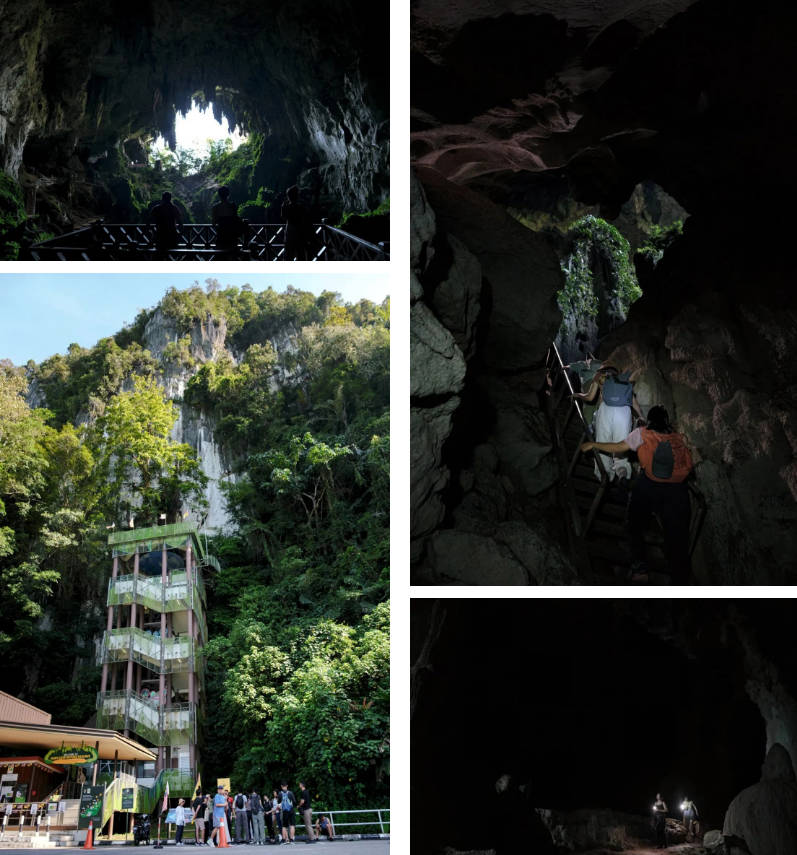
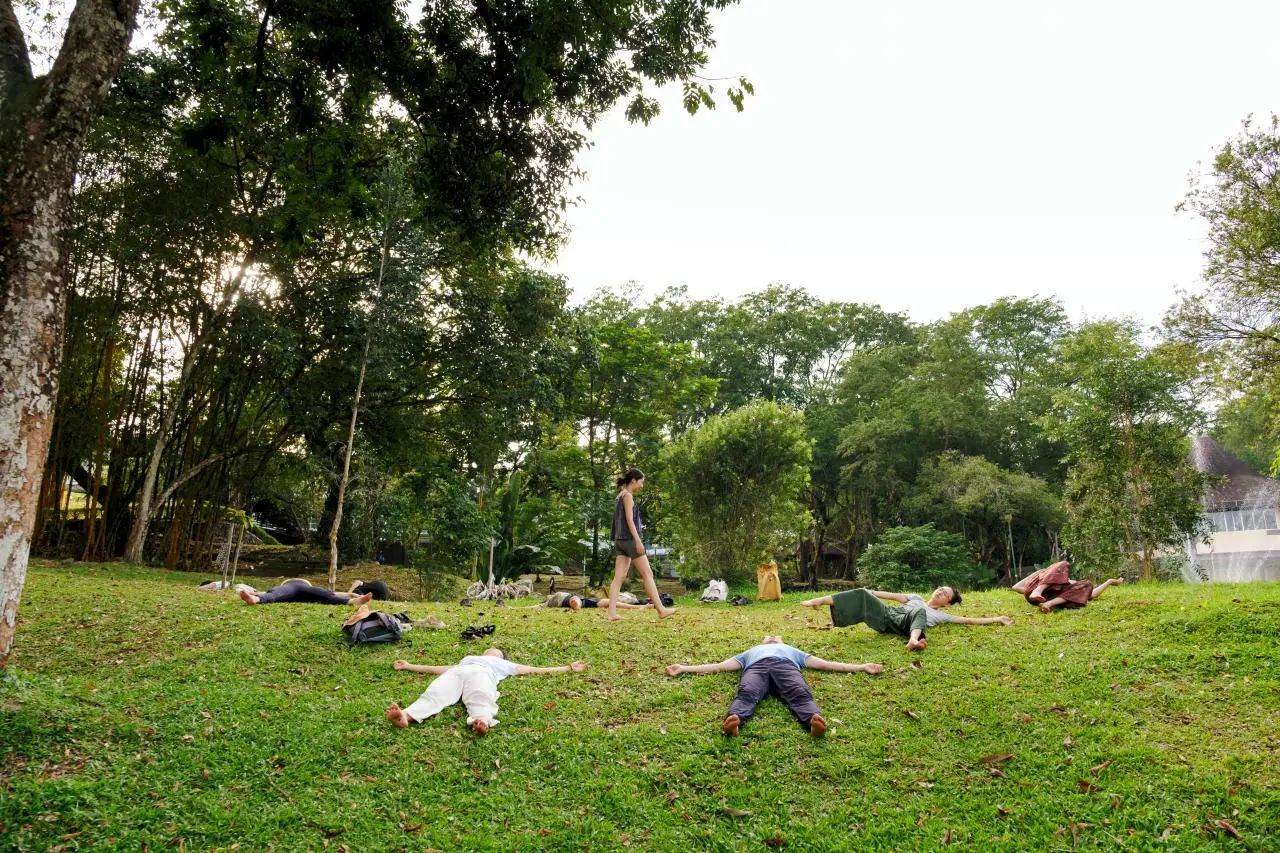
In the deep darkness of Fairy Cave, we heard the subtle echoes of bats and felt our bodies become attuned to the environment like radar, sensing the space around us. As we stretched our limbs, we felt a profound connection to the silent rocks of the land. This deep communion with nature stirred an ancient sense of healing—nature itself possesses a remarkable capacity to restore. How can we create more space for this healing power? This quiet experience prompted us to reflect on how we could bring nature’s restorative energy into our relationships, repairing the emotional bonds that might have frayed over time.
Decentralized Leadership: Activating Collective Wisdom
The spirit of Gotong-Royong lies in decentralized cooperation. Regenerative design calls for distributing decision-making within complex systems without relying on a single leader. It values collective wisdom and co-creation over centralized leadership. In this model, each member is both a participant and a contributor, with every voice and perspective merging in equality to create a vibrant, creative field. Collaborative creation disrupts traditional hierarchies, establishing fertile ground for shared leadership.
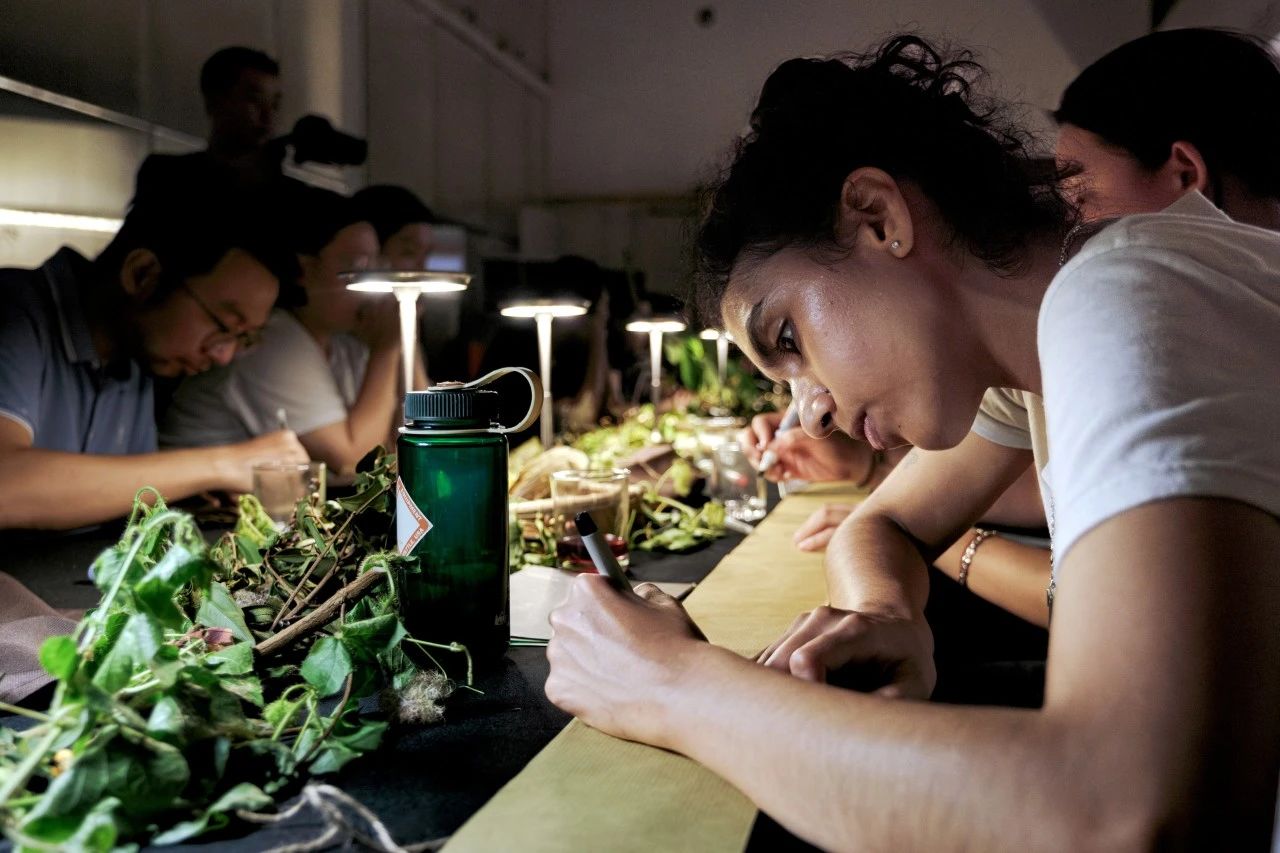
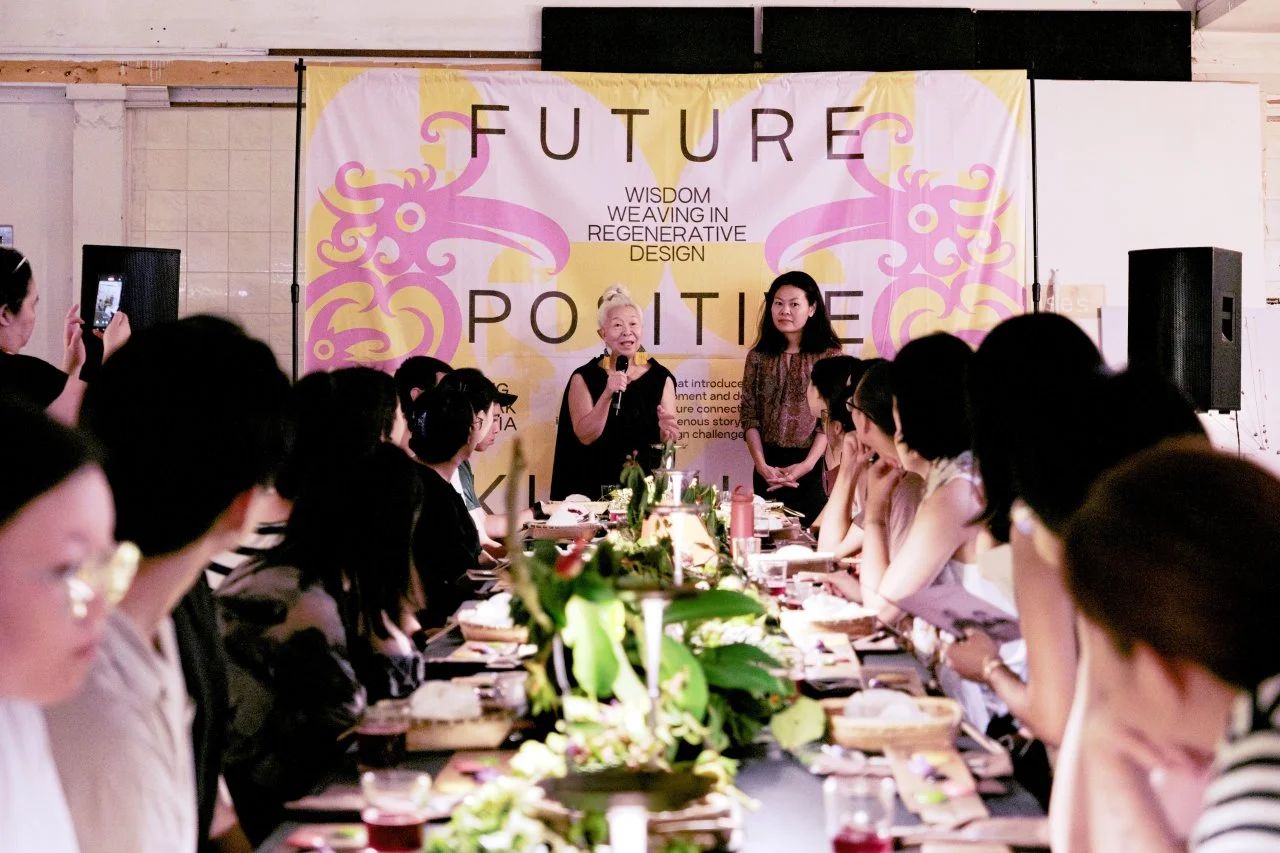
The process of building a collaborative field was key to our work. By co-creating with local Borneo residents, we embraced crowdsourcing and participatory processes that allowed us to exchange ideas, skills, and perspectives. This expanded the creative possibilities of the group. The idea of developing capability — awakening regenerative power in individuals and communities through observation, understanding, and innovation — went through every phase.
Action & Dialogue: Long-Term Impact
The principle of “wholes are nested” reminds us that each design is part of a larger ecological system. Individuals, communities, and environments are interwoven into a multi-layered, organic network. Every small change within a system reverberates through the whole. Designers must adopt a multi-dimensional perspective to unlock the potential in every design. With this approach, design becomes integrated into the broader ecological web, enhancing resilience and regenerative capacity.
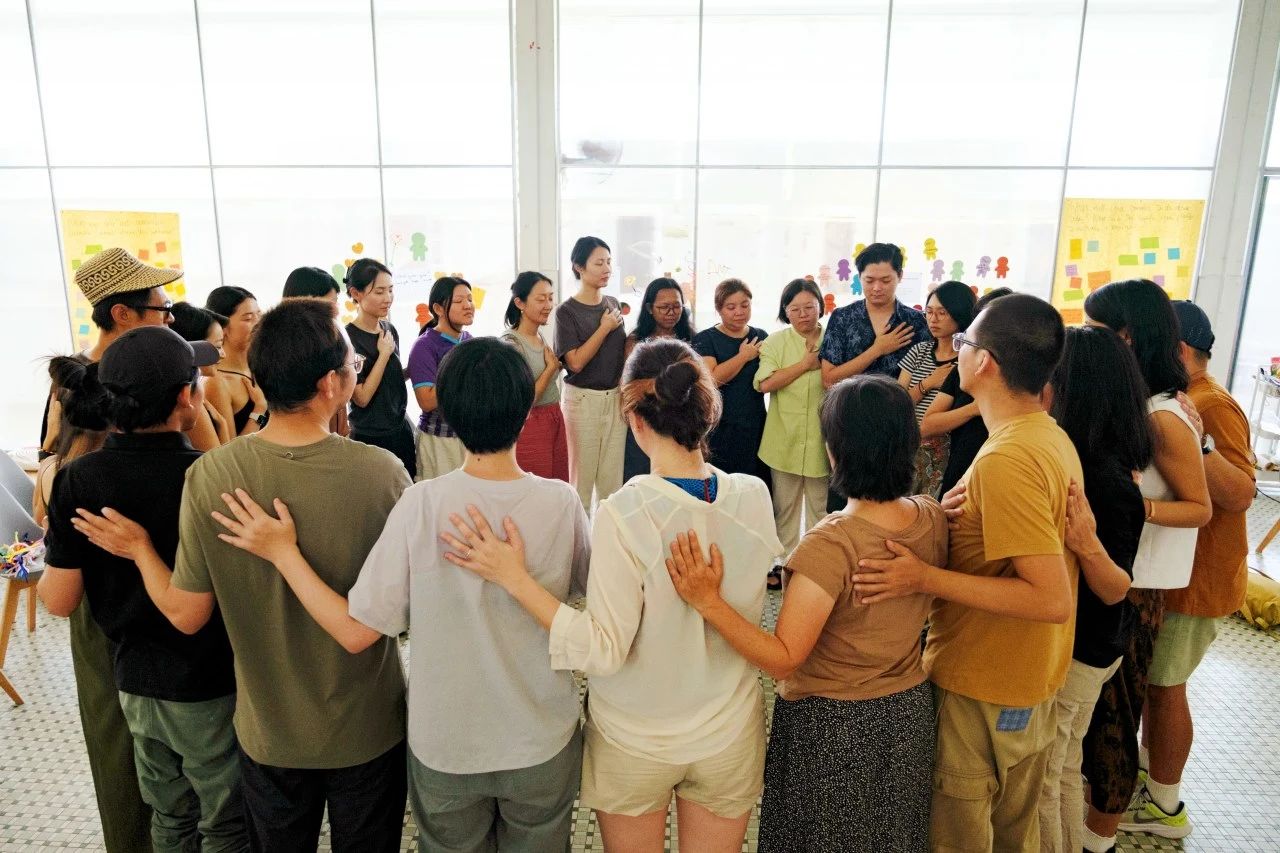
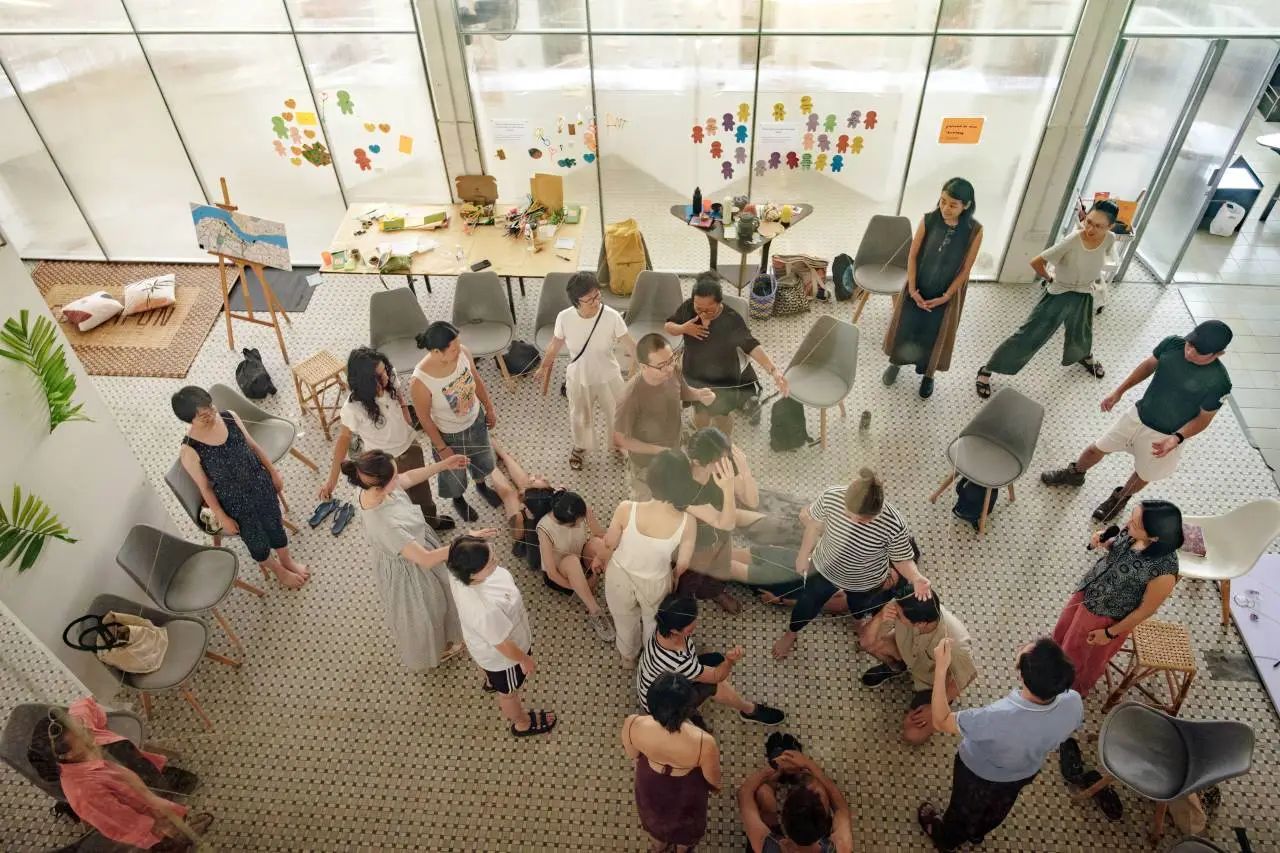
Regenerative design is not just about taking action but also an ongoing dialogue. Our ideas evolve as we share perspectives, deepening from simple concepts into more profound insights. This process helps to rebuild a regenerative network of care and support, leading us back to a state of balance. Under this philosophy, the idea of non-extractive innovation becomes central to our practice, encouraging us to look beyond traditional resource exploitation. Instead, we imagine solutions that sustain resources while unlocking their ecological potential.
#2
Memories, Commitments and a Shared Future
Most memorable moments
-
The moment when eyes are closed. When the surroundings turn dark. When you don’t hear any sound from humanbeing. When you dive into the ocean of feeling.
-
Wandering across the river and enjoying being alone to explore by myself. Feel free, calm and chill.
-
Walking on grass and laughing with others by the river.
-
Eating laksa together, shouting dare dare dare oo yaa when drinking tuak. Pool party in Marian hotel, exchange life stories with people.
-
Probably the conversations I’ve had. Watching people shift in their seats, just being themselves. I was always so curious how people lived, where is home for them… Etc.
-
Sitting in the Fairy Cave failing out. Feeling safe, trust, allowing, letting go. Nature has my back.
-
Gotong-Royong.
-
Creating the Ripple project with a group, very fun and fulfilling experience!
-
The snack table just grows =D yum yum yum, it’s regenerative!
-
When Wendy said “it’s the rest of my life…” I saw deep love and connection in her with the community here.
-
Lick the snack with eyes closed!
-
Talk, listening, feeling, patience is power.
-
Sharing stories about the interconnectedness of the Malay archipelago through the body, lessons, gotong-royong in the deep, deep night.
-
Planting the seed in your soil and water is with love.
-
The collective that hold up a safe place for this community.
-
Group Project bring vast & different opinions & viewpoint, and let the idea unfold itself.
-
The concept of gotong-royong by bringing call activities & people together.
-
Actually, every moment, if I have to say, it’s when we were in the fairy cave. The connection with nature, fairy cave with 400 million years of history, made me disappear.
-
Wandering in the city, staring at the crossroads.
-
Each moments.
-
Finding pieces of home in another home. Learning to love the potential & essence of everyone.
-
When we had very open, deep listening conversation under the trees & nature.
-
Enlightenment under the tree/nature.
-
Learn my history, my homeland, my soil, in the different perspective.one who knows its root, one who can harvest the shoot.
-
Most memorable thing is being surrounded by those people who have such energy & powerful community passion & knowledge.
-
Walk with Samantha & the group. 2AM group. The time bidayuh grandmother holds my hand.
-
Cooking in the village. I enjoy the process and also the lunch. It reminds me that not only the outcome but the process are important!
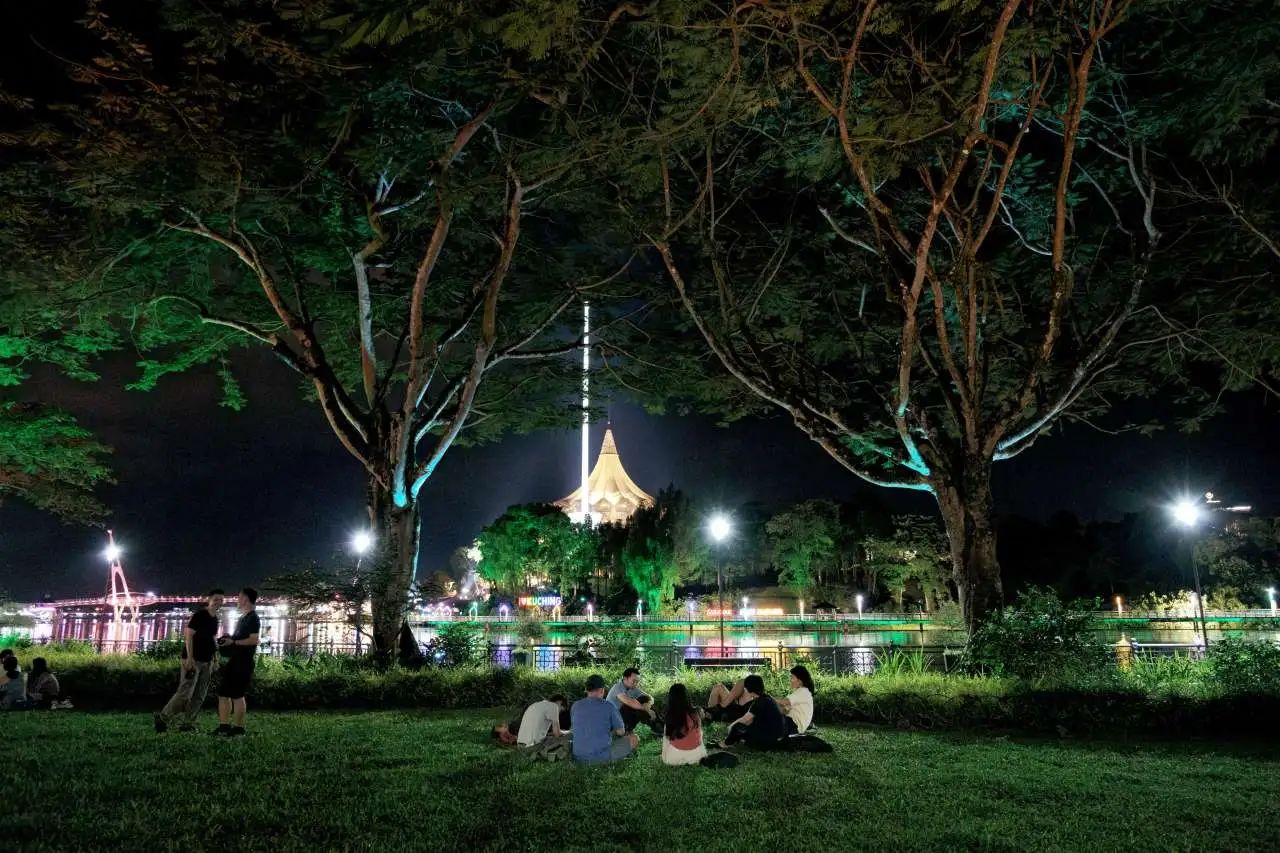
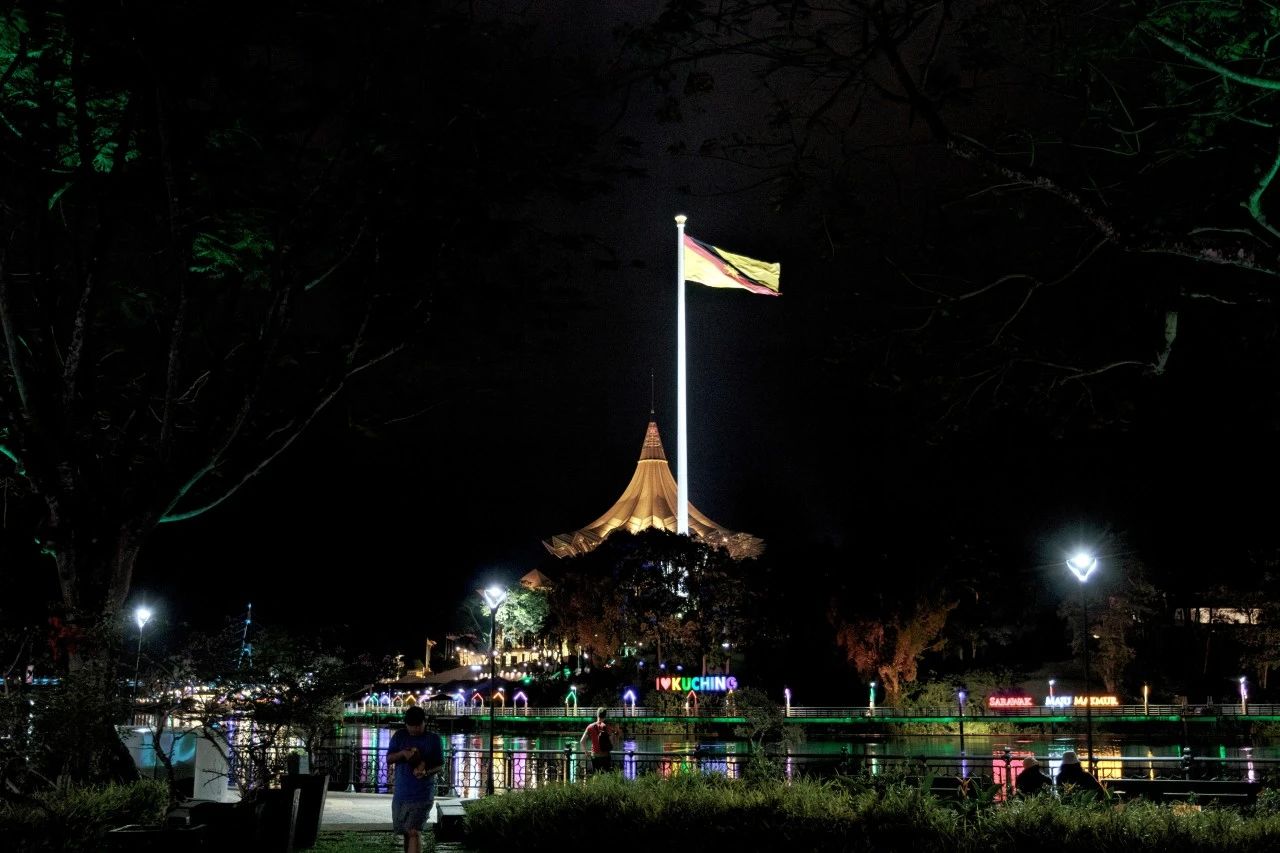
Commitments & Seeds
-
Find my way with compassion and regenerative intentions. Slowly but surely.
-
To have the courage to be aligned with myself, my beliefs. To go to Tibet, Bario, HK… Know other worldviews to even have more courage.
-
Collect more seeds and broadcast all seeds.
-
Build the relationship with the community.
-
Community->earth->nature->deeply and slowly.
-
Practice Letting go.
-
No rush. I have to do that for the rest of my life.
-
I commit to introduce this regenerative design principles and understanding to the younger generative. The earlier they get to explore, the lesser the future they have to work hard on.
-
Regenerate myself. Take myself as seeds. Living a life that arouses people’s interest to ↑
-
Follow my passion. Focus on Potential. Gotong-Royong! Giving more love to this world, to people surrounding me.
-
When I go back to my country. I am going to record some completed projects have dialogue with the government and operators, find positive possibilities.
-
I want to bring the principles of regenerative design to my daily practice. I want to instill it in the design studio where I’ ll be teaching. I will try to introduce regenerative design to my fellow architecture society. I will also commit to bring all the good virtues I share & gain from this programme. I commit to bring back compassion and positive spirit.
-
Forgiveness. The ability to have fun. Find the way to myself as to have the strongest power to help the others.
-
The seed of curiosity sprouts to a care, a zeal, a passion… I commit to listening closer, loving harder.
-
Seek for wisdom, not only the outcome. Think out of the box. Use less of my mobile phone.
-
Just do a little better things from yesterday.
-
More mindful in my thought, speech and action. Do the right thing.
-
After today, I will commit to put on the effort to foster relationships wherever I go. I used to think that I need to know someone for a very long time before opening up-but not necessarily. I think it is lovely to share.
-
Do what I say.
-
Practice taking up more space and find my voice. Not for my ego but for the eco (system).
-
To elevate humble people, materials, and ideas.
-
To start a study of traditional materials in China and it’s context in everyday life.
-
Practice regenerative design principles on my project- “New Youth” and develop youth environmental activist community in China and abroad. Complete our research report! Open heart, open mind, open perspective, passion, deep listening. Care for others. Relationship-based action.
Contribution & Learning needs
-
I intend to continue unlearning the outdated methodologies & to continue living in the love for nature, my fellow humans & all other earth’s inhabitants. I’d love to listen to rocks, water, soil, more. To listen, smell, taste, ever-readiness of this planet & all I get to encounter. & with this inner spring of love, flows my expression of art, activism, conversation, inspiration… the potential is eternal.
-
To have some more “ripples” after this trip. To help other people form a ripple.
-
I’d like to collect inspiring regenerative projects in my country as part of the catalogue of regenerative project examples for international community.
-
I bring the practice with my students to listen to our own voice. To be continued… When will seed become a nut?
-
Start to do!!! Just try and reflection and adjust. No rush. One step by one step.
-
I hope to stay connect and give support to whoever from the community. I want to continue to learn the deeper meaning and practice for the 7 principles.
-
Contribute wisdom & seeds. Collect wisdom seeds to make seeds alive.
-
In a time of change, I have to build sincerely and with compassion an interwoven worlding of my new home, building a safe space of care to heal before relying and extending invitation to all the hearts for souls I met here. I want to rely and build care collectively ripple together.
-
I want to bring/expend regenerative practices to my place, my community. I want to learn deeper of the regen. practices in architecture and architecture education. I want to learn more on breathing works, and exercises like we had in this program – how such exercises though look simple but have a deeper impact, how it heals the soul of hard ego architects.
-
Be real and genuine. Rippling. I want to learn more about how a seed becoming a plant, the process, details.
-
Continue the group challenge: Collective dream journal, collect more response to more curiosity, also do my own journaling of this journey and share some reflectionswith others, friends, family, local communities, so much to do…
-
Welcome to the reading club!
-
I want to contribute to regenerative design in Taiwan, my hometown, by learning from any corner of the world. More knowledge & actions to keep being surrounded by people who have the belief.
-
Continue regenerating myself. Regenerate people during a process that we create a new regenerative project this group can work on.
-
Continue the journey of enlightenment.
-
Hold space for the growth & emergence of Future+. Allow for change/new energy to come in. Expand and also deepen my practice.
-
To make our network more resilient and impactable, learn to be more open and brave.
-
Continue to learn and practice the regenerative principles, hope to deliver the TRP to more people. In my work help the network of conscious designers to grow, to transform and impact.
-
To continue the rippling effect.
-
To achieve a regenerative mode/form/system which can be applied in the city.
-
I’d love to learn how the system could work in real-life. Or in different locations. I hope to contribute the sense of community/reciprocal relation on a larger scale.
-
Build a website to establish a global network!
#3
Journey Continues Next Gathering in Bali
The second gathering of the Future+ Regenerative Design International Workshop has concluded. We thank all participants for your trust and engagement, and every partner for your support. Special thanks to WildBound and Architecture 2030 for organizing this event. We are grateful to Wendy and Tham from Borneo Lab for sharing Think&Tink, a space that allowed us to experience the resonance between humans and nature in Borneo.
Thanks also to Jane, an independent photographer, and Lin and Chun from Asa Esa for capturing meaningful moments. Volunteers Nana and Aria deserve special mention, as well as Ziyan and Xiao for leading the morning practices to keep everyone energized. Our thanks also go to Indah Cafe for providing a welcoming venue. We appreciate Stephan and Irfan from Unimas ICreate, Datin Rosemarie and Yvonne from Marian Hotel, Brooke Trust, Miss Asnida from BCM, and Stewart Ooi for your support and design contributions.
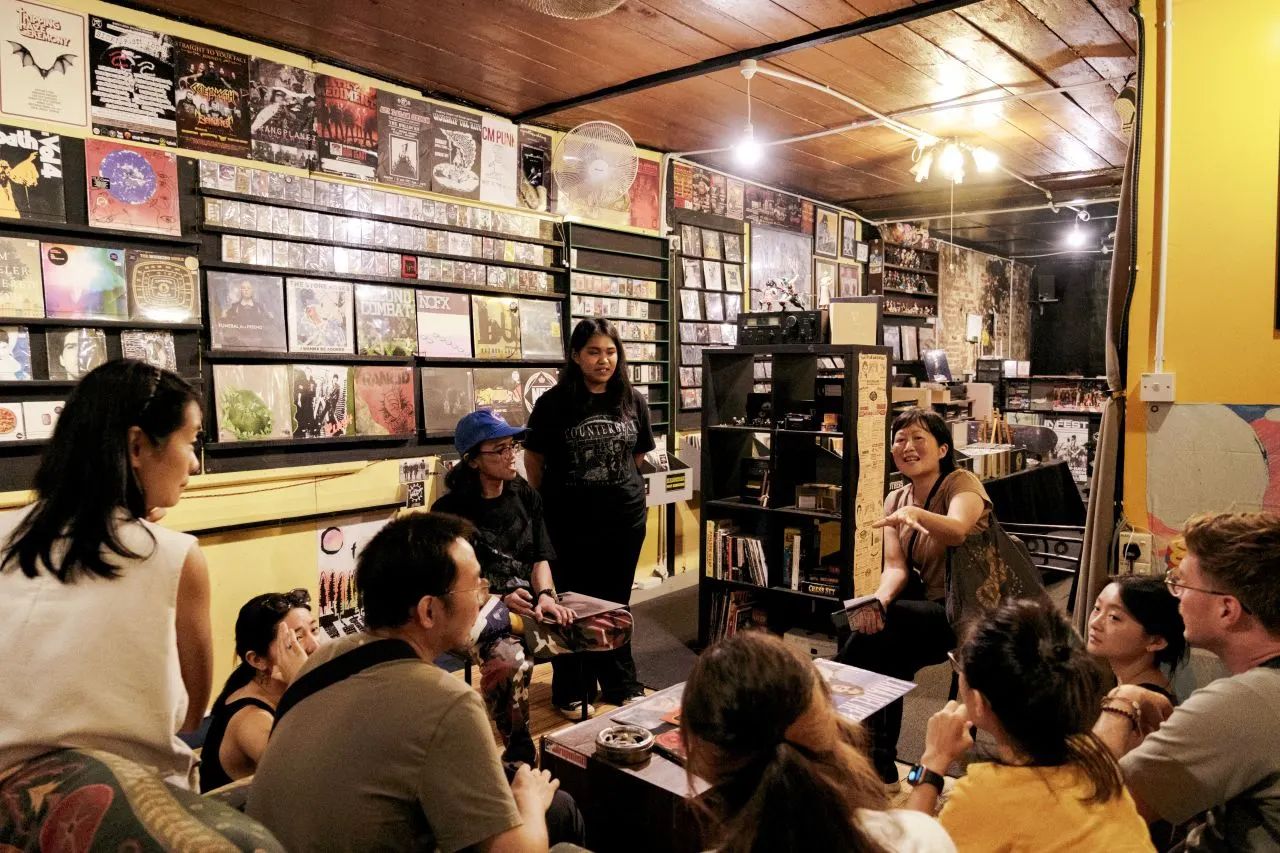
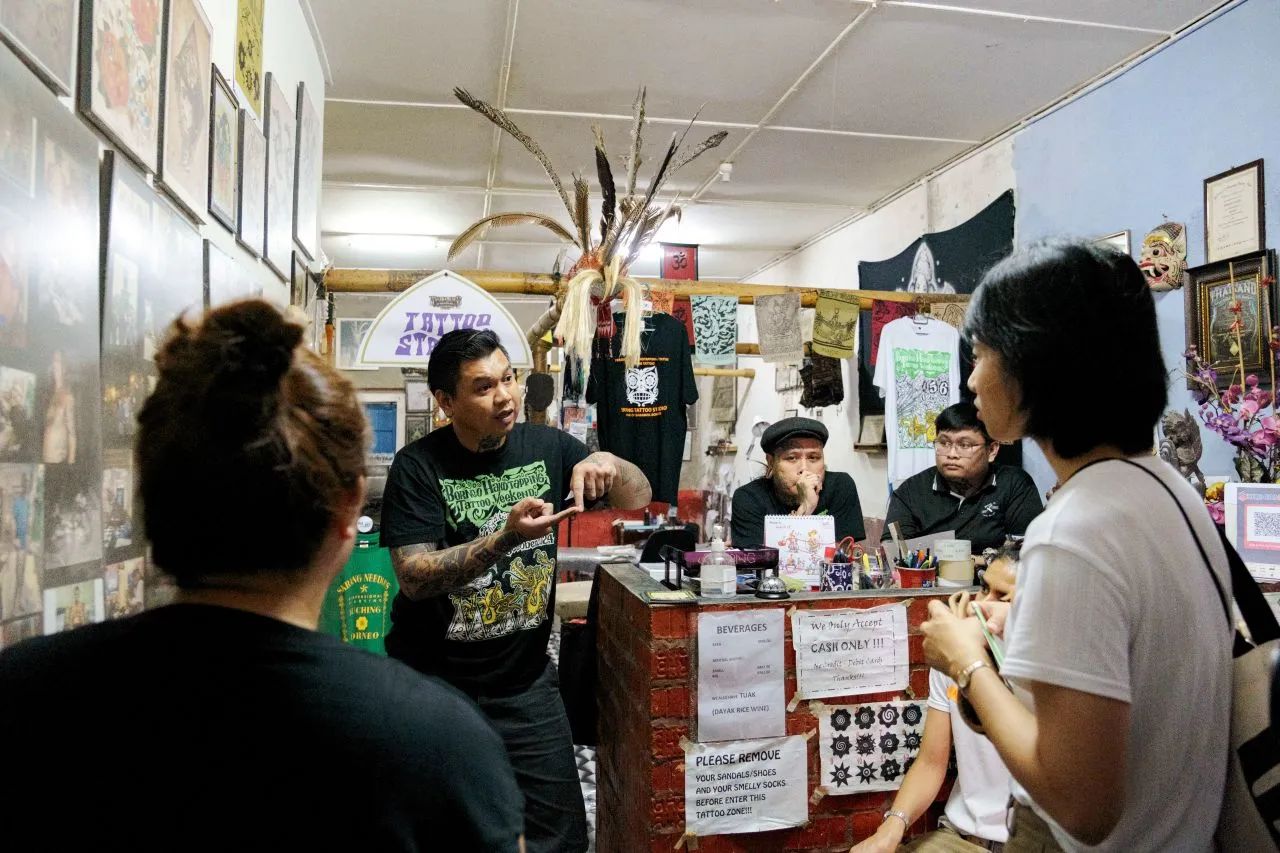
We also thank the shops and dining partners: Black Bean Coffee, Bandat Record Store, Skrang Tattoo Studio, Old Court House, and catering partners including Indah Cafe, Green Hill Corner, Peanuts Anchovies, Kim Joo, Lau YaKeng Foodcourt, Ceylonese Restaurant, Borneo Delight, Jak Ma’an, and Pinggai Cafe.